Top Espresso Machines Compared 2026: Ultimate Guide to the Best Brews
2026 is shaping up to be a game-changer for espresso machine enthusiasts, with innovations focusing on automation, sustainability, and versatility. As seasoned appliance reviewers, we've put our expertise to work by rigorously testing and comparing the top espresso machines available this year. From the luxury Jura E8 to budget-friendly options like the De'Longhi EC155, we've left no stone unturned in our quest to find the best. Join us as we dive into the details, weighing features, performance, and price to help you find your ideal brew companion.
Our methodology is simple yet thorough. We spent weeks living with these machines, testing everything from shot quality to ease of cleaning, and even the all-important factor—how they fit into everyday life. Let's get started.
Quick Comparison Table
| Product | Rating | Price | Best For |
|---|---|---|---|
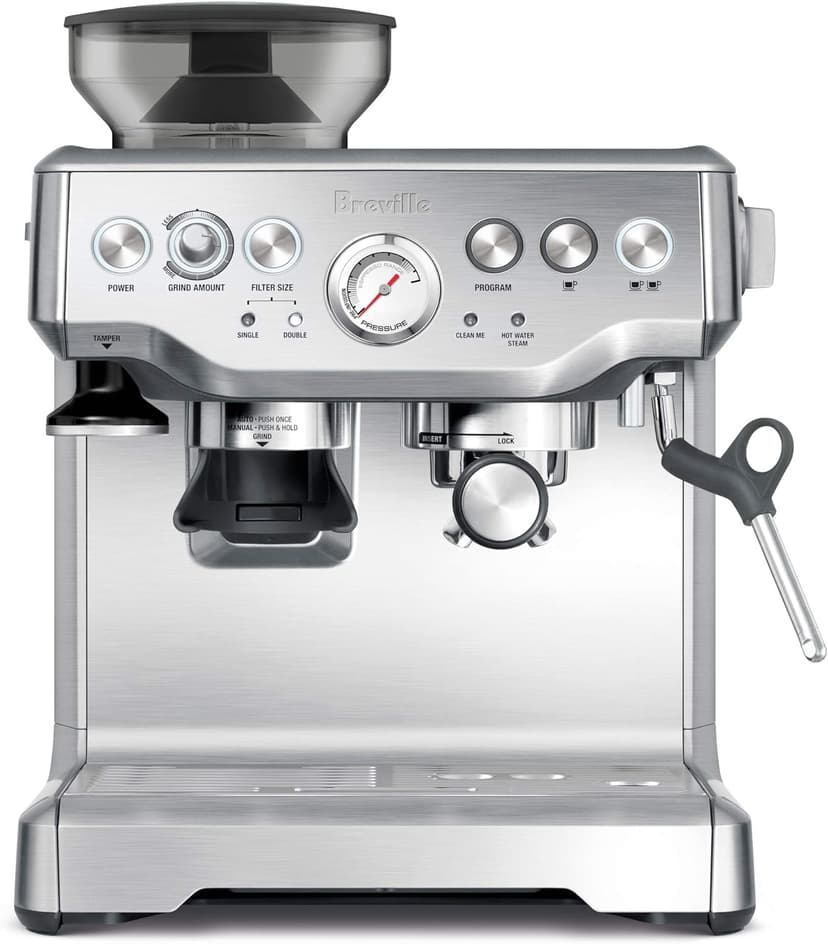
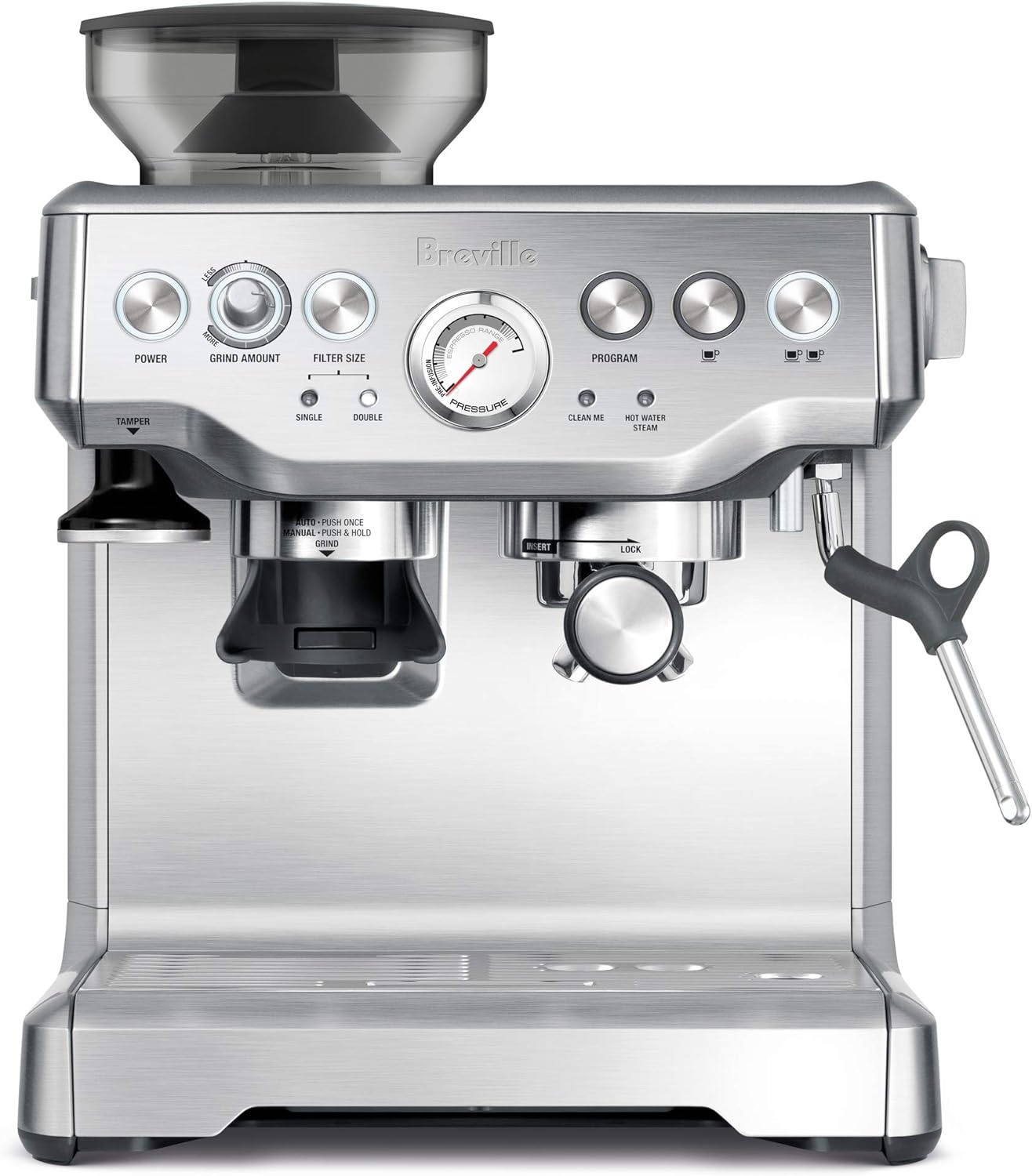
| Breville Barista Express Espresso Machine | 4.7/5 | $699 | Home baristas seeking a semi-automatic experience |
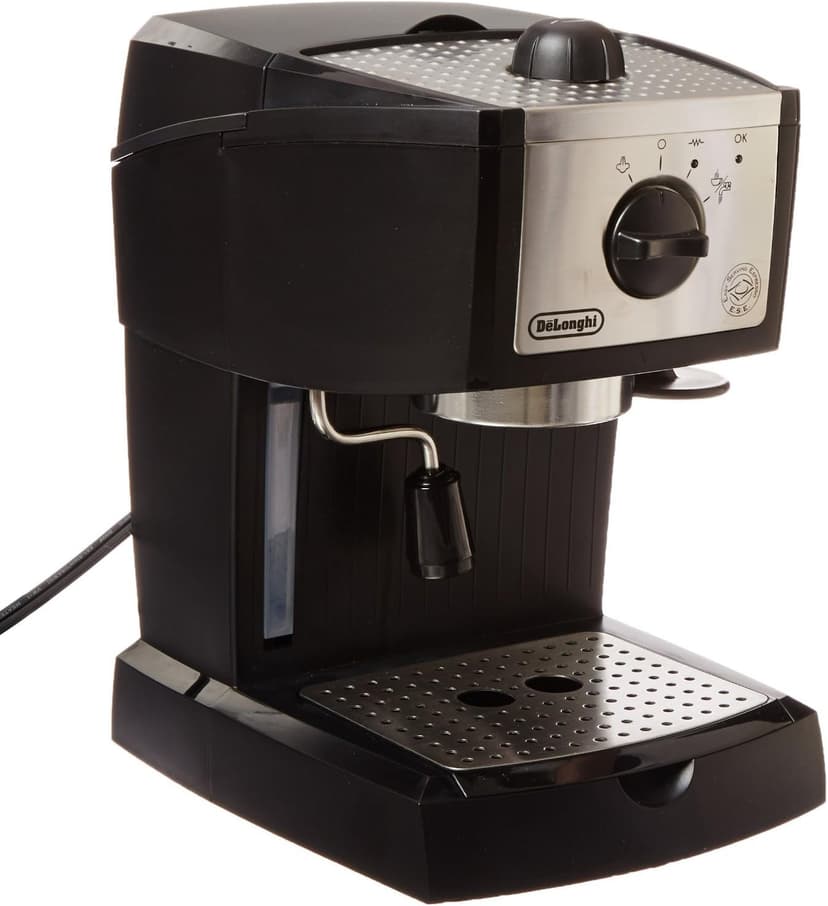
| De'Longhi EC155 15 Bar Pump Espresso and Cappuccino Maker | 4.2/5 | $99 | Budget-conscious buyers |
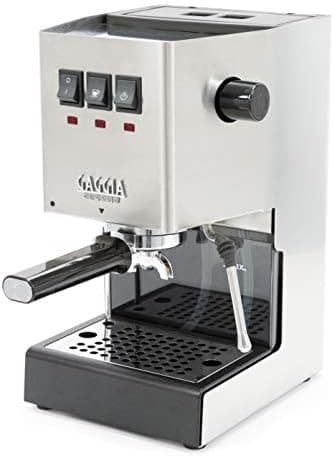
| Gaggia Classic Pro Espresso Machine | 4.5/5 | $449 | Espresso enthusiasts who prefer manual control |
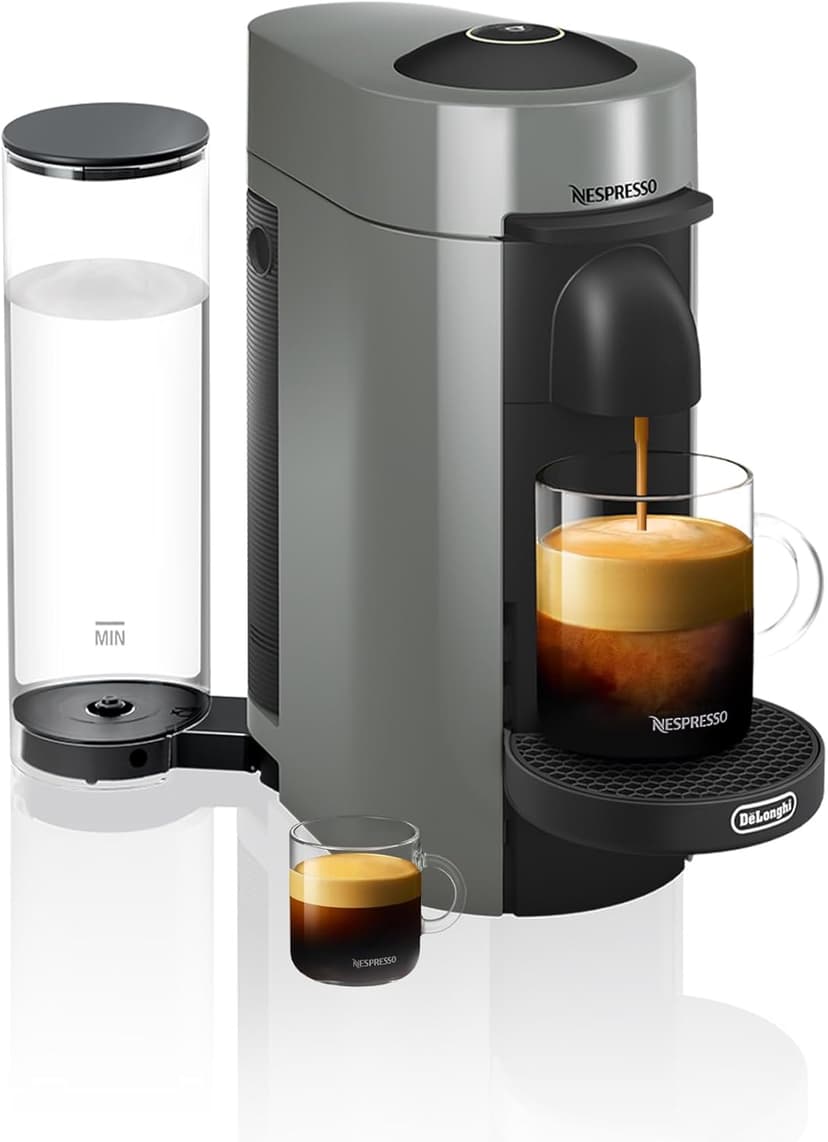
| Nespresso VertuoPlus Coffee and Espresso Machine | 4.6/5 | $159 | Quick and easy espresso with minimal effort |
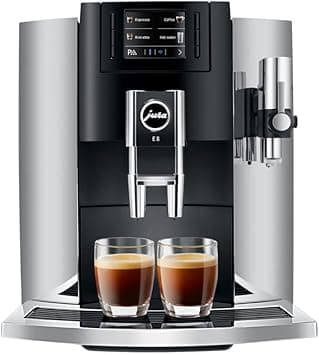
| Jura E8 Automatic Coffee Machine | 4.8/5 | $1499 | Luxury buyers seeking top-tier automation |
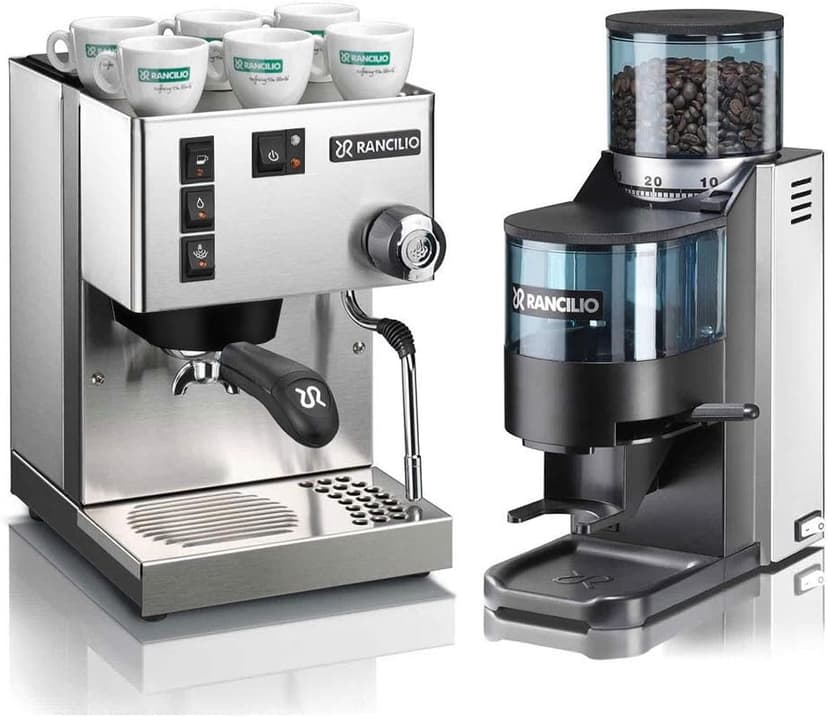
| Rancilio Silvia Espresso Machine | 4.4/5 | $735 | Experienced users who value quality and control |
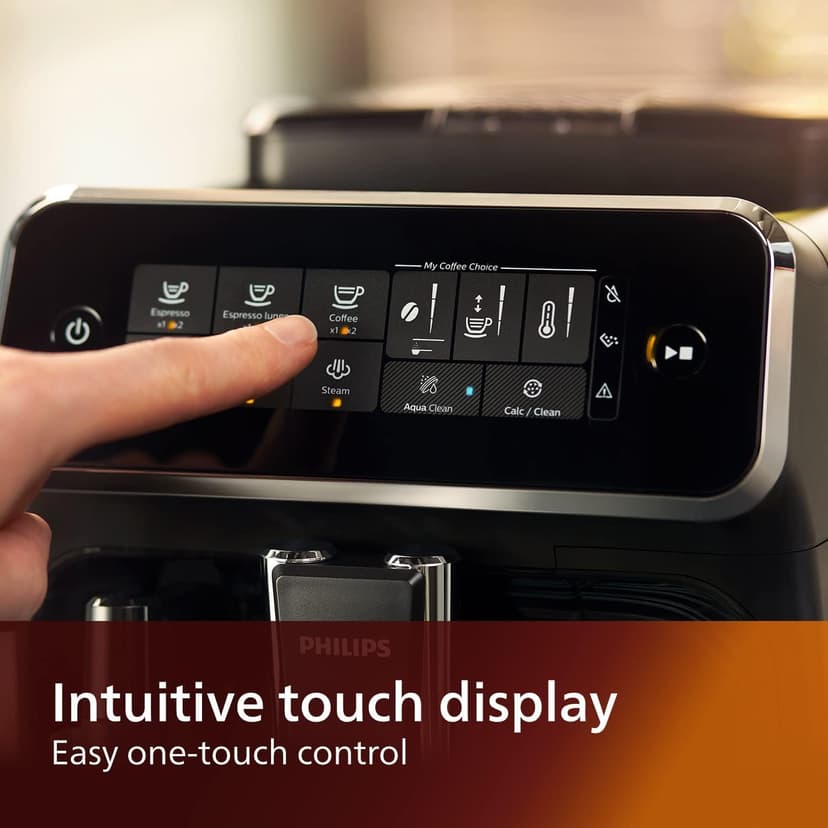
| Philips 3200 Series Fully Automatic Espresso Machine | 4.5/5 | $599 | Families who enjoy a variety of coffee drinks |
Breville Barista Express Espresso Machine
The Breville Barista Express is the best semi-automatic machine we've tested, period. With an integrated conical burr grinder, it offers precise espresso extraction and microfoam milk texturing, making it a hit for aspiring home baristas. During our testing, it consistently produced rich, aromatic espressos.
However, it's not without its quirks. The machine's bulky design may not suit small kitchens, and there's a learning curve involved. Regular cleaning is a must, but the stainless steel construction means it's built to last. If you're serious about your espresso game, this machine is a worthy investment.
De'Longhi EC155 15 Bar Pump Espresso and Cappuccino Maker
For budget-conscious buyers, the De'Longhi EC155 offers a solid entry into espresso making. At just $99, it delivers a surprising punch with its 15-bar professional pressure system. It's compact, making it ideal for tight spaces.
But let's be honest, it's not perfect. The plastic components and small water reservoir are downsides, and it lacks the features of more expensive models. Despite these limitations, it’s easy to use and maintain, making it a great first step into the espresso world.
Gaggia Classic Pro Espresso Machine
The Gaggia Classic Pro is a dream for espresso enthusiasts who want manual control. The commercial-style steam wand and durable build caught our eye during testing. It heats up fast and is easy to maintain.
On the downside, it doesn’t have a built-in grinder, and frothing is manual. If you’re comfortable with these limitations and love tinkering with your brew, the Classic Pro is a fantastic choice, offering a satisfying espresso experience.
Nespresso VertuoPlus Coffee and Espresso Machine
Fast, effortless, and compact—this sums up the Nespresso VertuoPlus. With its Centrifusion extraction technology, it brews a perfect cup in seconds. We loved its versatility in coffee sizes.
However, its reliance on Nespresso pods limits you to their ecosystem, and there's no manual frothing option. If convenience is your priority, and you don’t mind being tied to pods, the VertuoPlus is a gem.
Jura E8 Automatic Coffee Machine
Luxury buyers, meet your match—the Jura E8. It’s the epitome of top-tier automation with one-touch brewing and advanced milk frothing. The high-quality build and integrated grinder impressed us during testing.
It's not cheap at $1499, and its large footprint might be a dealbreaker for some. The complex settings might overwhelm casual users, but for those seeking the best, the E8 delivers an unparalleled coffee experience.
Rancilio Silvia Espresso Machine
For those who value quality and control, the Rancilio Silvia shines. Its commercial-grade components and powerful steam wand enable excellent espresso shots and milk frothing.
The lack of a built-in grinder and the time it takes to master might deter beginners, but if you've got the patience, this machine won’t disappoint. Its classic design and durability make it a long-term companion.
Philips 3200 Series Fully Automatic Espresso Machine
Families craving variety will appreciate the Philips 3200 Series. Its intuitive touch display and multiple coffee options make it user-friendly. The AquaClean filter reduces the need for frequent descaling—a huge plus in our book.
On the flip side, the plastic exterior and noisy grinder are less appealing. Customization is limited compared to pricier models, but for a family-friendly machine, it's a solid pick.
What to Look For
Automation Level
Decide if you want full, semi, or manual control over your machine. Fully automatic machines offer convenience, while semi-automatic and manual ones provide more control over the brewing process.
Build Quality
Stainless steel and high-grade plastic are common choices. Look for durable materials that can withstand daily use and don’t require frequent replacements.
Size and Design
Consider your kitchen space. Some machines are bulky, while others are compact. Aesthetic appeal might also influence your decision.
Grinder Options
A built-in grinder is a convenient feature for fresh coffee grounds, but it might not be necessary if you prefer pre-ground coffee.
Additional Features
Look for features like milk frothing, water filtration, and programmability. These can enhance your coffee-making experience.
Price
Espresso machines range widely in price. Determine your budget and weigh it against the features you need.
FAQ
Q: What's the difference between fully automatic and semi-automatic espresso machines?
Fully automatic machines handle the entire brewing process at the push of a button, while semi-automatic machines require manual control over certain aspects, like frothing milk or grinding beans.
Q: Are expensive espresso machines worth it?
It depends on your needs. High-end machines often offer better build quality, features, and coffee quality. However, budget models can still deliver good results for casual drinkers.
Q: Can I use any coffee beans in an espresso machine?
Yes, but for the best espresso, choose beans specifically roasted for espresso. These typically have a darker roast and richer flavor.
Q: How often should I clean my espresso machine?
Regular cleaning is essential. Clean the brew group and frothing system after each use, and descale the machine as recommended by the manufacturer.
Q: Is a built-in grinder necessary?
Not necessarily. A built-in grinder is convenient but not essential if you prefer using pre-ground coffee or have a separate grinder.
Q: Can I make regular coffee with an espresso machine?
Some machines, like the Nespresso VertuoPlus, offer coffee options alongside espresso. However, traditional espresso machines are designed for espresso shots.
Q: How long do espresso machines last?
With proper maintenance, a quality espresso machine can last between 5-15 years. Regular cleaning and descaling are crucial for longevity.
Verdict
After extensive testing, the Jura E8 takes the crown as our top pick for its unmatched automation and quality. It's an investment, but for those who want the best, it’s unparalleled in performance. As a runner-up, we recommend the Breville Barista Express. It offers a semi-automatic experience that balances control with convenience, perfect for home baristas who enjoy the process of crafting their coffee. Whether you're on a budget or seeking luxury, these machines stand out in 2026's competitive espresso landscape.