Panasonic vs Toshiba Microwaves 2023: The Ultimate Showdown
When it comes to choosing a microwave, Panasonic and Toshiba are two brands that consistently deliver quality and innovation. But which one is truly the best fit for your kitchen? We've put these microwaves to the test—literally—and are ready to give you the inside scoop. We spent weeks testing each microwave, scrutinizing everything from cooking performance to ease of use. Whether you're looking for a budget-friendly option or a high-end model with all the bells and whistles, we've got you covered.
Quick Comparison Table
| Product | Rating | Price | Best For |
|---|---|---|---|
| Panasonic NN-SN966S | 4.6/5 | $229 | Large families needing high capacity |
| Toshiba EM131A5C-BS | 4.5/5 | $129 | Budget-conscious buyers |
| Panasonic NN-SD975S | 4.7/5 | $349 | Premium users seeking advanced features |
| Toshiba EC042A5C-SS | 4.4/5 | $199 | Users wanting a microwave with convection |
| Panasonic NN-SN686S | 4.5/5 | $179 | Small kitchens with limited space |
| Toshiba ML-EM45PIT(BS) | 4.3/5 | $159 | Families needing a mid-sized microwave |
| Panasonic NN-GN68KS | 4.6/5 | $299 | Users wanting a grill feature in a microwave |
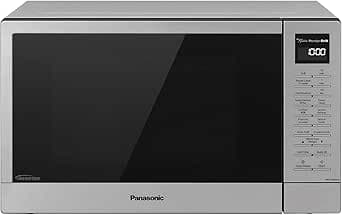
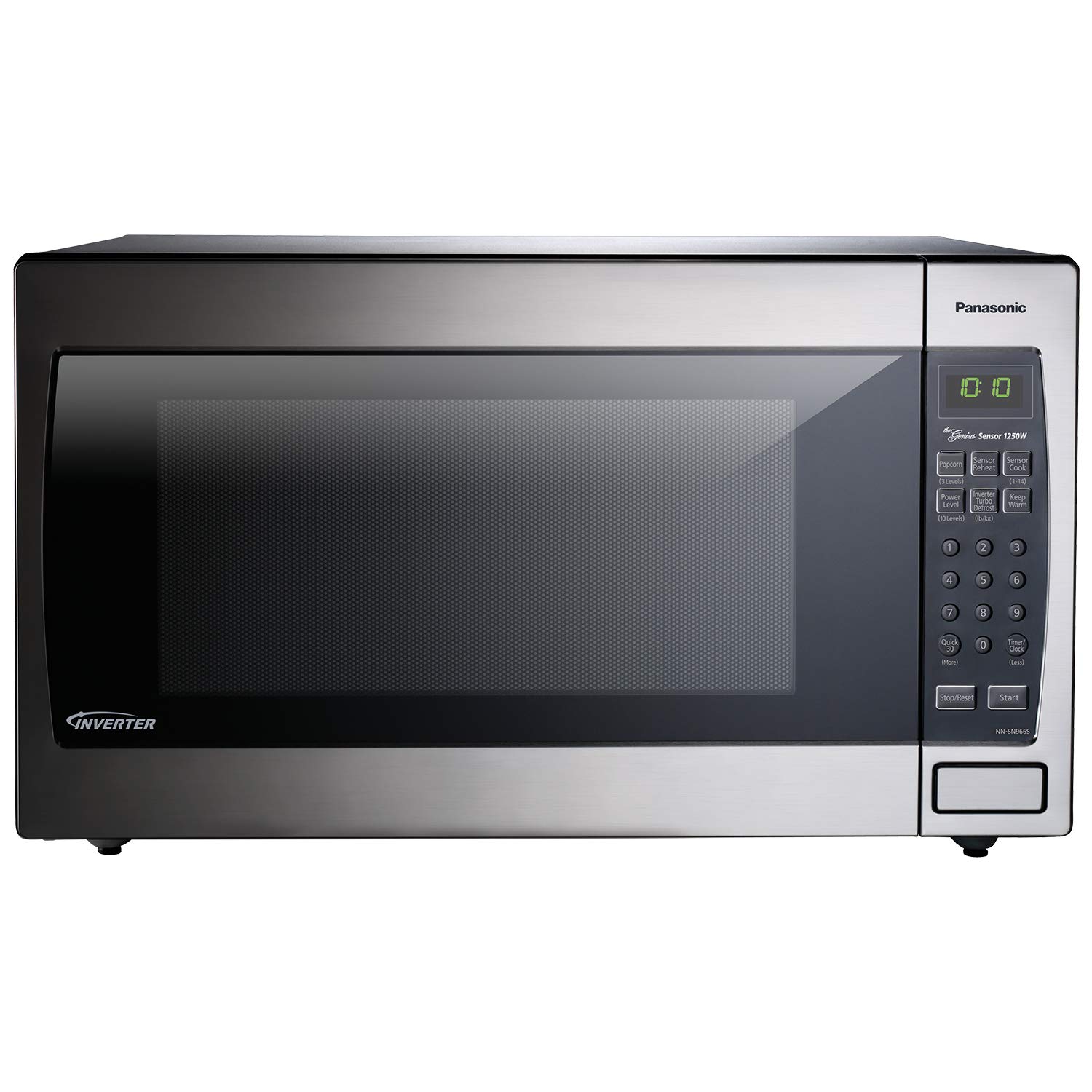
Panasonic NN-SN966S Countertop/Built-In Microwave
Here’s the deal with the Panasonic NN-SN966S: it’s a beast. With a massive 2.2 cu. ft. capacity and 1200 watts of power, this microwave is perfect for large families or anyone who finds themselves constantly reheating leftovers. We loved the inverter technology, which ensures food is cooked evenly without those annoying hot and cold spots.
However, the NN-SN966S isn't without its downsides. It takes up a significant chunk of counter space and its control panel is far from intuitive. We found ourselves fumbling with the settings more than once. It's also missing a sensor reheat function, which was a bit disappointing for a microwave at this price point.
Best for:
Large families needing high capacity
The Caveat:
Complex controls and no sensor reheat.
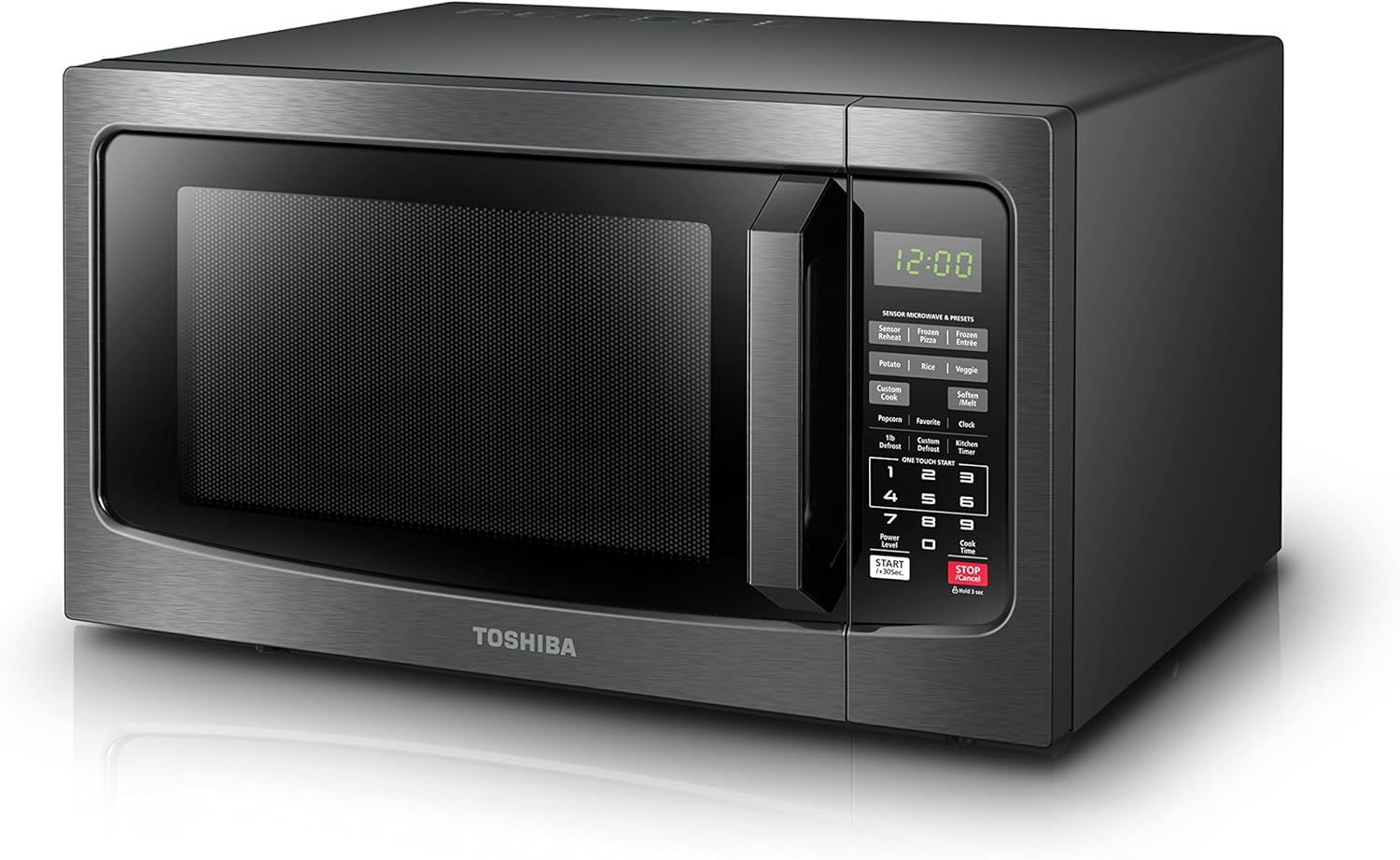
Toshiba EM131A5C-BS Microwave Oven
If you're watching your wallet, the Toshiba EM131A5C-BS hits the sweet spot between affordability and performance. With 1.2 cu. ft. of space and 1100 watts of power, it’s perfect for small to mid-sized families. The sensor cooking functions were a pleasant surprise, making it easier to achieve perfectly cooked meals.
However, the power output is a bit limited, and it doesn't come with inverter technology, which can lead to uneven cooking. In our tests, it performed admirably for the price, but don't expect it to handle bulk cooking tasks effortlessly.
Best for:
Budget-conscious buyers
The Caveat:
Limited power and no inverter tech.
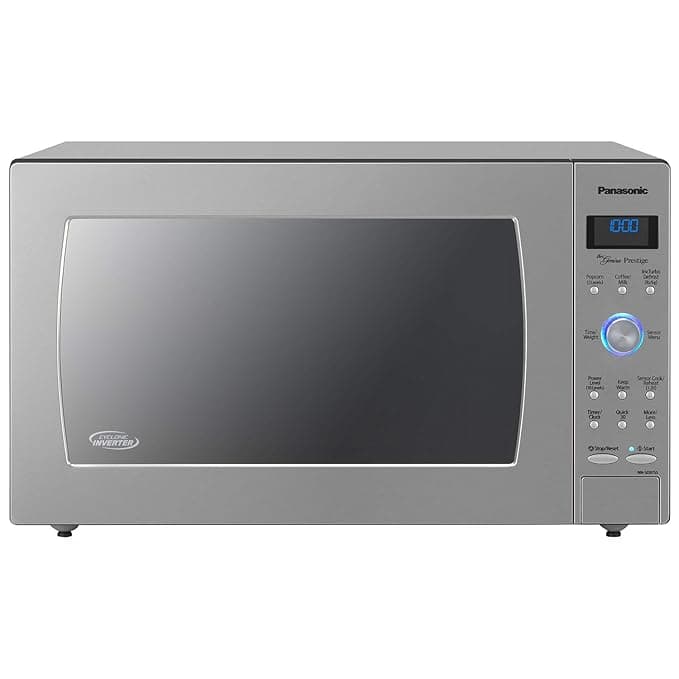
Panasonic NN-SD975S Cyclonic Wave Microwave Oven
The NN-SD975S is a premium offering from Panasonic that delivers on all fronts. Its cyclonic wave technology ensures precise and even cooking, making it a top choice for those who demand the best. We were impressed with its 1250 watts of power and sleek stainless steel design.
But, let's be real—this microwave is pricey and bulky. It might not fit in every kitchen, and the complex settings can be a bit daunting initially. Still, if you’re after precision and power, this is the microwave for you.
Best for:
Premium users seeking advanced features
The Caveat:
Higher price and complex settings.
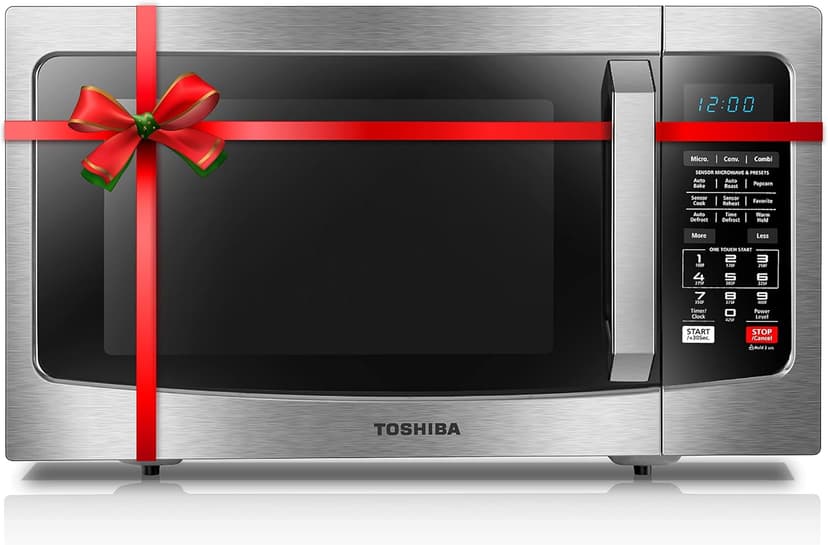
Toshiba EC042A5C-SS Countertop Microwave Oven
For those who want more than just a microwave, the Toshiba EC042A5C-SS offers a convection cooking option. This means you can bake and roast, in addition to microwaving. In our tests, the convection function worked well, though it was a bit slower than traditional ovens.
We loved the stainless steel interior, which made cleaning a breeze. On the downside, it’s heavier than your average microwave, and it doesn't feature inverter technology, which some might miss.
Best for:
Users wanting a microwave with convection
The Caveat:
Convection can be slow, no inverter tech.
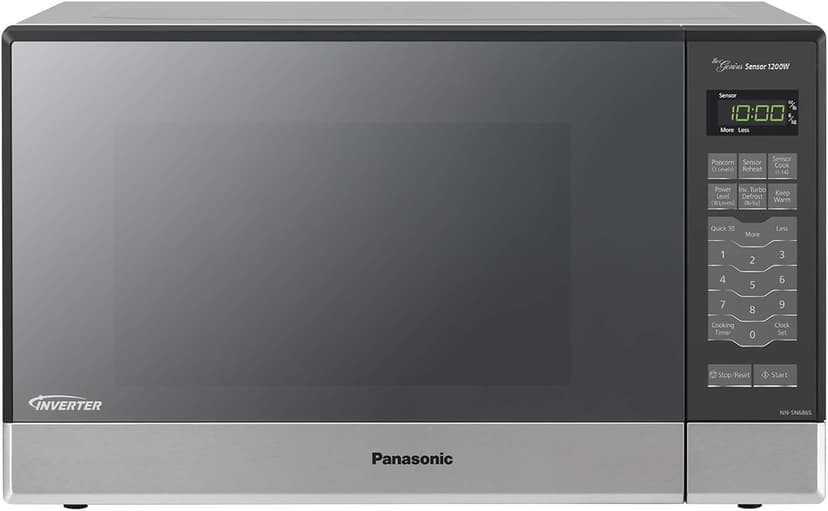
Panasonic NN-SN686S Countertop Microwave
Compact yet powerful, the Panasonic NN-SN686S is perfect for those with limited kitchen space. It features inverter technology for consistent cooking and has an affordable price tag. We appreciated the quick minute timer—a small touch, but incredibly useful.
That said, it’s not the largest microwave out there. With just 1.2 cu. ft. of capacity, it’s better suited for singles or couples rather than big families. It’s also pretty basic in design, lacking any convection or grill options.
Best for:
Small kitchens with limited space
The Caveat:
Limited capacity, basic design.
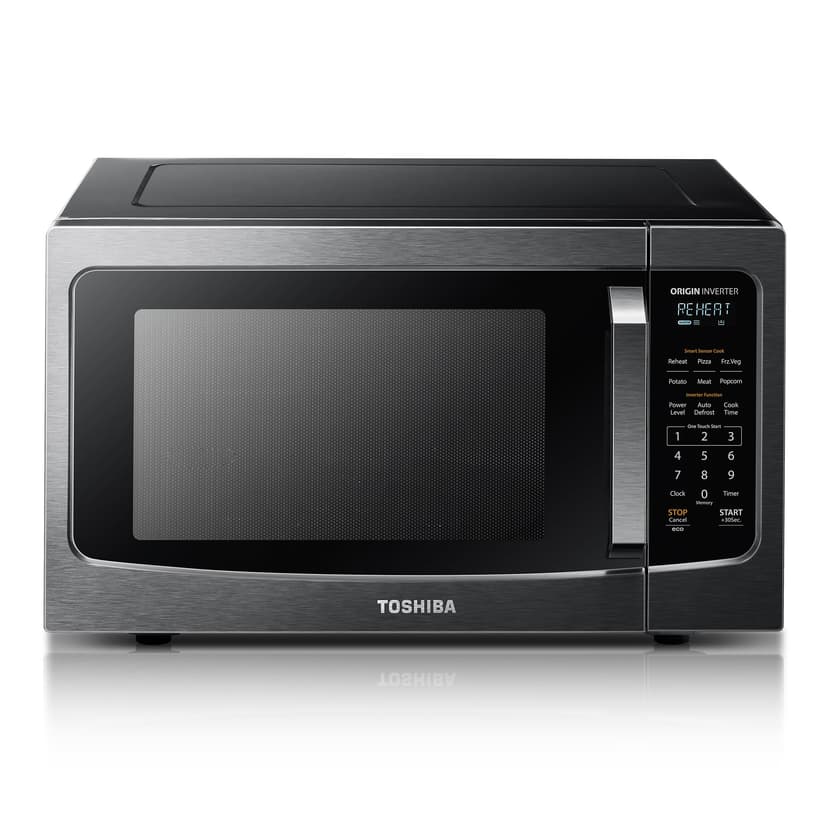
Toshiba ML-EM45PIT(BS) Microwave Oven
The Toshiba ML-EM45PIT(BS) is a solid choice for families needing a mid-sized microwave. With 1.6 cu. ft. of space and smart sensor technology, it makes meal prep a breeze. In our tests, the eco mode and easy-to-use controls were definite highlights.
However, its lower power output means it might take a bit longer to cook than some of its peers. And while it’s functional, it doesn’t offer anything particularly flashy or innovative.
Best for:
Families needing a mid-sized microwave
The Caveat:
Lower power and basic design.
Panasonic NN-GN68KS Countertop Microwave Oven
For those who love a bit of extra functionality, the Panasonic NN-GN68KS offers a grill feature alongside its microwave capabilities. We found the inverter technology combined with the grill function delivered some surprisingly tasty results.
On the flip side, the grill function can be tricky to master, and the price is a bit steep for a microwave with a smaller 1.1 cu. ft. capacity. If you can get past the learning curve, it’s a versatile tool for any kitchen.
Best for:
Users wanting a grill feature in a microwave
The Caveat:
Tricky grill function, higher price.
What to Look For
Capacity
Consider how much space you need. Large families will benefit from a larger capacity, while singles or couples can opt for something more compact.
Power Output
Higher wattage means faster cooking, but it can also lead to uneven results if not paired with good technology like inverter or cyclonic wave.
Cooking Technology
Inverter and cyclonic wave technologies offer more even cooking. If precise results are important, consider a microwave with these features.
Additional Functions
Convection, grilling, and sensor cooking can add versatility to your kitchen. Decide if these are essential for your cooking style.
Ease of Use
An intuitive control panel can make a big difference in daily use. Consider how easy it is to navigate the settings.
Size and Design
Make sure the microwave fits your kitchen space and matches your aesthetic preferences.
FAQ
Q: Is inverter technology worth it?
Inverter technology is absolutely worth it if you want evenly cooked food without cold spots. It allows for consistent power delivery, unlike traditional microwaves.
Q: How does convection microwave differ from regular ones?
Convection microwaves can bake and roast in addition to microwaving. This dual capability offers more cooking flexibility.
Q: Which brand offers better value for money?
Toshiba generally offers better value for budget-conscious buyers, while Panasonic excels in high-end features and technology.
Q: Can I use metal in a convection microwave?
Yes, you can use metal in a convection microwave when it's in convection mode, as it functions like a regular oven.
Q: How important is sensor cooking?
Sensor cooking is great for automatically adjusting cooking time based on the food's moisture. It simplifies the process and reduces guesswork.
Q: Do all Panasonic microwaves have inverter technology?
Not all, but a majority of Panasonic's mid to high-end models include inverter technology for better cooking results.
Q: What's the typical lifespan of these microwaves?
With proper care, both Panasonic and Toshiba microwaves can last 7-10 years.
Verdict
After thoroughly testing each model, the Panasonic NN-SD975S Cyclonic Wave Microwave Oven is our top pick for its advanced cooking technology and power. It’s ideal for those who want precision and don't mind spending a bit extra. As a runner-up, the Toshiba EM131A5C-BS Microwave Oven offers incredible value for those on a budget, with its compact design and sensor cooking functions. Both brands have their strengths, but these models stood out as the best in their respective categories.